
“Architecture should speak of its time and place, but yearn for timelessness.” – Frank Gehry.
Nowhere does that ring truer than in today’s open-plan homes, where walls disappear, light flows freely, and every detail must serve both form and function. The staircase is one of the most underrated architectural heroes at the centre of that flow.
In today’s open-plan homes, staircases are more than just ways to get from one floor to another. They are also sculptural elements, focal points, and quiet links between style and space. If you’re building a new home or remodelling an old one, learning how to add a staircase to an open-plan layout can greatly improve the flow, light, and connection in your home.
Let’s look at why the design of a staircase is important, how to plan it well, and what design choices can help you find the right balance between beauty and usefulness. We’ll get this information straight from the best staircase manufacturers and custom stairs experts in Melbourne.
Why the Staircase Matters in Open-Plan Living
Freedom, light, and connection are what open-plan layouts are all about. The living, dining, and kitchen areas often come together to make one big room, which makes the space feel open and connected. This also means that every part of the structure, especially the stairs, affects how the space feels and works.
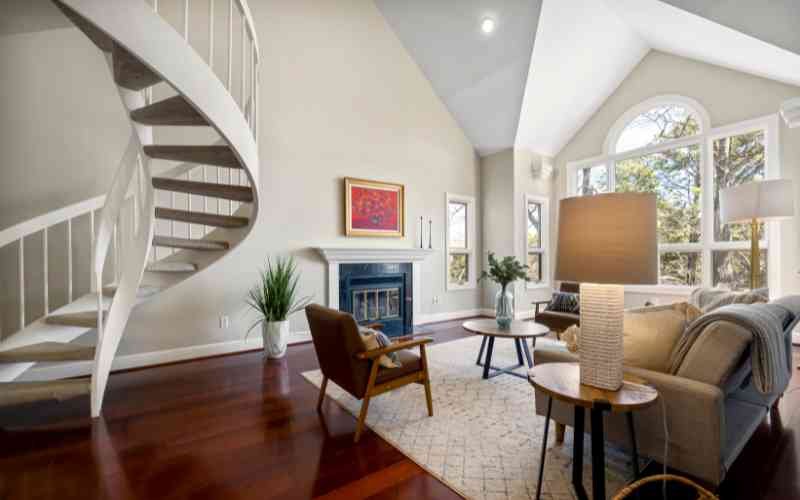
A 2024 Houzz Australia Home Design Study found that 63% of new home designs in Victoria now have open-plan living areas. More than half of these designs also use floating or feature staircases as a focal point.
A well-designed open-plan staircase not only links levels but also defines zones without breaking sightlines. It can:
- Make drama and architectural interest vertical.
- Make it easier for natural light to reach all floors.
- Make the space flow better so that the home feels bigger and more connected.
- Act as a subtle barrier between areas that are useful, like the kitchen, living room, or study area.
In short, the right stair design for an open-plan home can make the whole layout feel purposeful and connected. On the other hand, a bad one can block light, make it hard to move around, or even lower the value of the home when it sells.
What Makes a Staircase Work in an Open-Plan Home?
The hardest part of designing a staircase for an open-plan home is making sure it fits in with the rest of the space. The stairs should go well with the rest of the building’s design, not fight with it. Here’s what to think about.
Visual Flow: The Art of Connection
In an open-plan layout, lines of sight are very important. Your staircase shouldn’t feel like an interruption; it should naturally lead the eye through the space.
This is a great example of what we mean. The open risers and simple design let light through, making the space feel open and airy. Modern staircase builders in Melbourne love them because they make the stairs look like they’re “hovering” in the house. Adding glass balustrading in Melbourne makes the connection between spaces even stronger.
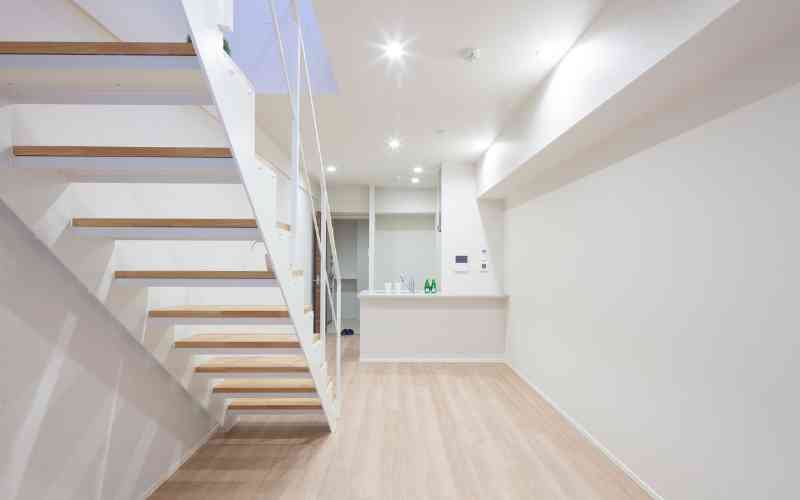
To maintain visual flow:
- Choose designs with open risers or cantilevers.
- Use materials that are similar to the floors or walls.
- Pick light woods or neutral colours that don’t make it hard to see movement.
Your stairs should be like an architectural bridge that connects things instead of separating them.
Light: Amplifying Openness
Natural light is the best design partner for open-plan homes. But stairs that are in the wrong place or are too big can block or absorb that light. That’s why floating stairs have become such a popular design trend in open-plan homes: they let light through easily.
Here are some design tips that work great:
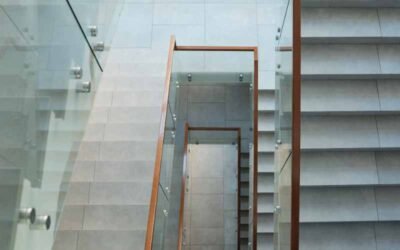
- Instead of solid railings, use glass balustrades to let more light in.
- Put LED lights under the treads to make them look better and make them safer.
- Place the stairs close to windows or voids to make a light shaft effect between floors.
A study from The Australian Institute of Architects showed that homes with transparent or open-structure staircases had up to 30% more light flow between rooms.
Light not only makes a room look better, but it also changes how it feels.
Connectivity: The Flow Between Levels
One of the most important parts of open-plan living is how spaces connect with each other, both horizontally and vertically. The stairs should make this easier without making it less private or comfortable to hear.
If you’re working with a custom stairs expert in Melbourne, ask them how the stairs can be arranged so that:
- Make it easy for people to move between living areas and upper floors.
- Support functional zoning, like keeping a home office nook separate from a family lounge.
- Incorporate under-stair storage or display shelving to maximise practicality.
Curved or L-shaped stairs are a great way to separate spaces without using walls. Straight-run or cantilevered stairs, on the other hand, keep the space looking open.
Keep in mind that a staircase in an open-plan layout isn’t just a way to get from one room to another; it’s a way to show how you live and move.
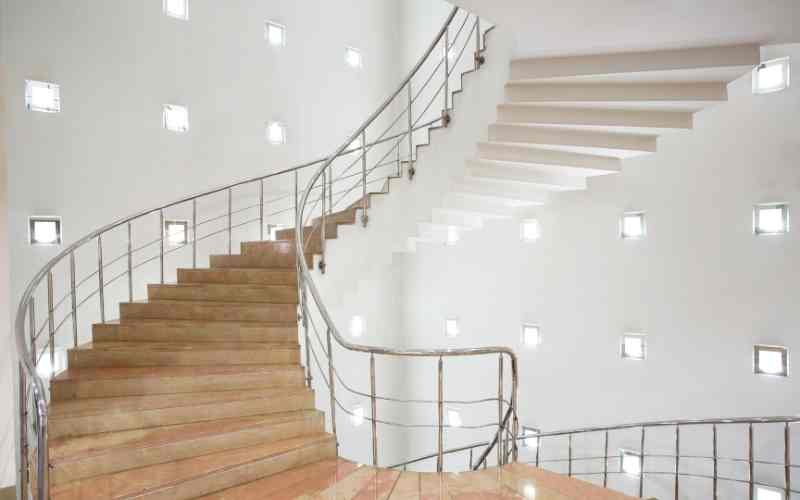
Choosing the Right Staircase Design for Open-Plan Homes
When designing a staircase for an open-plan home, you have to think about how it will look, how it will work, and how safe it will be, all while keeping in mind the style of the rest of the house.
1. Consider the Central Space Layout
Your staircase becomes a defining architectural feature when it is in the middle of your home. Work with experienced staircase manufacturers who can design bespoke structures that complement your ceiling height, flooring material, and overall geometry.
For Melbourne homes, feature staircases with glass, timber, or steel combinations are in high demand, especially in modern or minimalist settings. Many homeowners prefer open riser staircases because they keep the space open while also being stable.
2. Select the Right Materials
The choice of materials affects everything, from how light flows to how easy it is to clean.
In Melbourne, this is what works best for designing open-plan staircases:
| Material | Benefits | Ideal Use |
| Timber | Warm, timeless, complements most interiors | Scandinavian or rustic open-plan homes |
| Steel | Sleek, modern, industrial appeal | Contemporary or loft-style spaces |
| Glass | Enhances light and openness | Compact homes, luxury interiors |
| Concrete | Strong, architectural statement | Modern or brutalist-style homes |
To get the right design balance, many custom stairs Melbourne builders now mix materials, like wood treads with steel stringers or glass balustrades.
3. Incorporate Smart Balustrading
Balustrades are more than just safety features; they also shape how open a staircase feels. Here are some of the most popular types of balustrading in Melbourne right now:
- Frameless glass balustrades give a clean, floating look.
- For a modern, industrial look, use steel or cable balustrades.
- Timber railings for warmth and texture in open, neutral spaces.
One of the best ways to improve both light and flow in open-plan living spaces is to use glass balustrades with floating stairs.

4. Don’t Forget Building Codes and Safety
There are certain rules in Australia about how to design stairs, such as how deep the treads should be, how high the risers should be, where the handrails should go, and how big the gaps between the balustrades should be.
If you hire an experienced staircase builder in Melbourne, you can be sure that your design will follow the Building Code of Australia (BCA) and look good at the same time.
Professional staircase makers use cutting-edge 3D modelling and structural analysis tools to make stairs that are not only pretty but also safe to use every day.
What’s Trending in Open-Plan Staircase Design (2025 and Beyond)
The business of making stairs in Australia is changing quickly, mixing old skills with new ones. According to Statista 2024, the market for home renovations in Australia grew by 12% from one year to the next. Feature staircases were one of the top five most requested custom installations for modern homes.
These are the trends that are happening now and will happen in the future:
- Minimalist floating designs with hidden supports.
- Lighting systems built into each tread.
- Reclaimed wood and powder-coated steel are two examples of materials that are good for the environment.
- To make them look more interesting, hybrid staircases are made of glass, metal, and wood.
- You can customise things with digital fabrication and modular assembly.
It’s clear that homeowners today don’t want stairs that are big or old-fashioned. They want stairs that are connected, clear, and one-of-a-kind.
How to Get Started: From Design Vision to Installation
Here’s a simple plan to get you started on your open-plan staircase journey:
- Consult a Specialist: A good place to start is with a custom staircase builder in Melbourne who knows your layout, how the light comes in, and what your family needs.
- Visualise the Flow: You can use 3D renderings or AR visualisers to see how your stairs look with furniture and light.
- Choose Materials Wisely: Pick materials that match your flooring and the colours you want to use.
- Plan Lighting Early: Before you start building, add LED or natural light features.
- Prioritise Safety and Comfort: Check that the design meets all BCA safety standards without losing its beauty.
Stairworx is one of the best companies in Melbourne for making stairs and custom stairs. They connect spaces with light, balance, and craftsmanship to make sure that every project looks great. Whether it’s floating stairs, balustrading in Melbourne, or custom designs for open-plan homes, our team makes sure that your staircase is both a design statement and a structural masterpiece.
Final Thoughts
In an open-plan home, the stairs aren’t just a need; they’re also a chance. It connects stories, families, and the look of your home. If done right, it will be the focal point of light and flow, shaping how people interact with your space every day.
So, if you’re building or remodelling in Melbourne, make sure to plan your stairs carefully. It’s more than just steps; it’s the heart of your home, connecting every level with elegance, structure, and style that never goes out of style.